
Why Conversations Feel Exhausting When You Have to Strain to Hear
Many people assume hearing loss simply means sounds become quieter.
But for many adults across the Hudson Valley, the first noticeable change is something different: conversations start to feel exhausting.
You might leave dinner in downtown Warwick feeling mentally drained.
You may find meetings harder to follow than they used to be.
Even family gatherings or busy restaurants in Middletown can start to feel overwhelming after a while.
If this sounds familiar, you may be experiencing something called listening fatigue.
What Is Listening Fatigue?

Listening fatigue occurs when your brain has to work harder to understand speech.
When hearing is clear, your brain processes speech automatically. Conversations flow naturally and you don’t have to think about it.
But when hearing changes — especially in noisy environments — the brain must fill in missing pieces of conversation.
That extra effort requires concentration, memory, and mental energy.
Over time, that effort can leave people feeling:
-
mentally tired after conversations
-
less engaged in group discussions
-
frustrated during meetings or gatherings
-
more likely to withdraw from noisy social situations
Many people assume this is simply part of getting older. In reality, it is often one of the earliest signs that hearing clarity has changed.
Why This Happens Even If You “Hear Fine”
One of the most common things people say during a hearing consultation is:
“I can hear people talking — I just can’t understand them.”
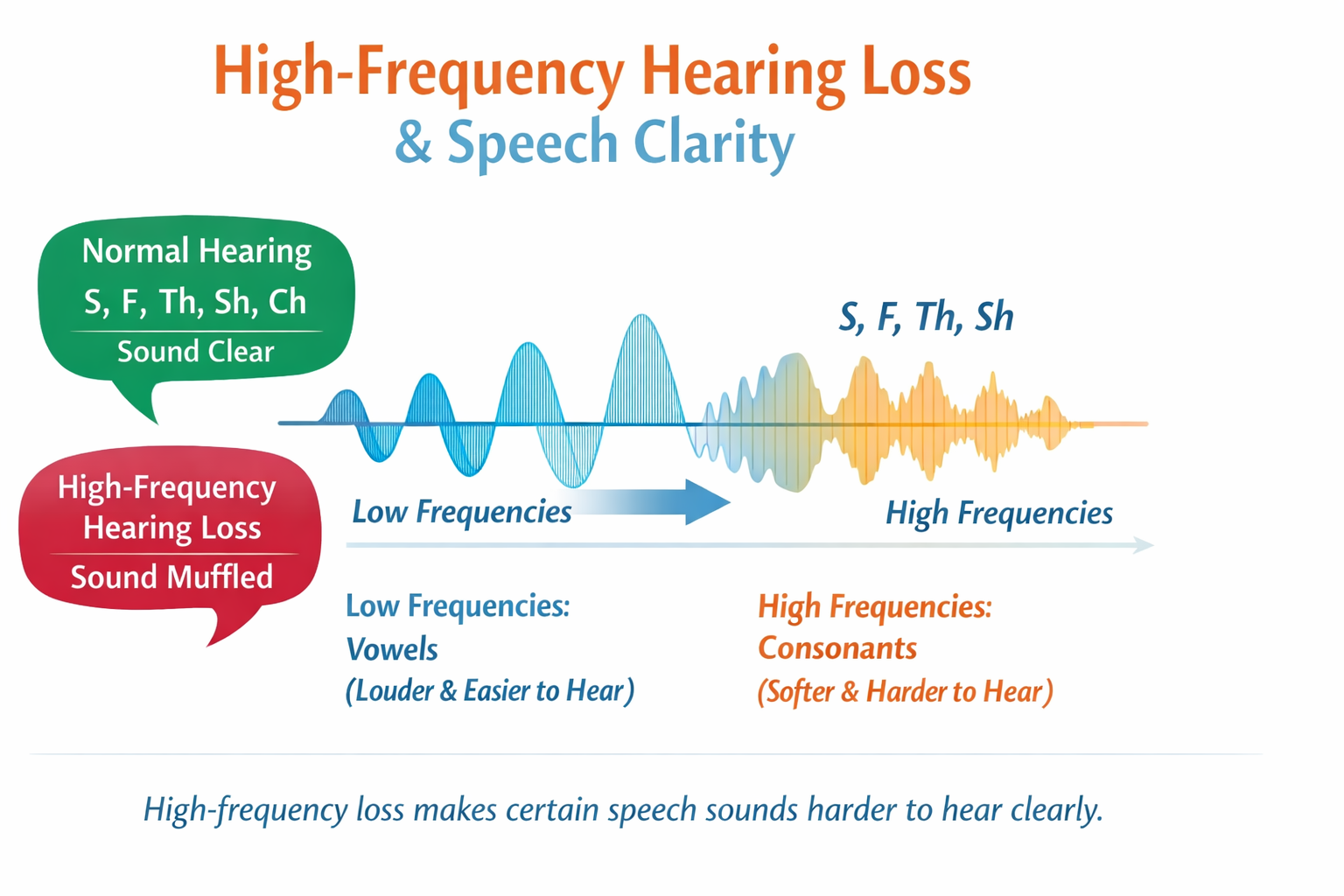
That’s because hearing is not only about volume. It’s also about clarity.
Speech contains high-frequency sounds like S, F, and TH, which carry important meaning in conversation. When those sounds become harder to detect, the brain must rely on context to guess what was said.
This is why people often notice difficulty first in situations like:
-
restaurants
-
family gatherings
-
group meetings
-
conversations in the car
-
busy stores or public spaces
The brain begins working overtime to keep up.
Signs Listening Fatigue May Be Affecting You

Listening fatigue can show up in subtle ways.
Some common signs include:
-
Feeling drained after social events
-
Turning down invitations to loud places
-
Asking people to repeat themselves often
-
Having an easier time hearing one-on-one conversations
-
Increasing the TV volume more than others prefer
-
Losing focus during long conversations
Many people assume they are simply tired or distracted, when in fact their brain is working harder just to follow what’s being said.
Why Addressing Hearing Early Matters

When listening fatigue becomes part of daily life, many people unknowingly begin adjusting their routines.
They may:
-
avoid noisy restaurants
-
speak less during group conversations
-
rely on others to repeat things
-
withdraw from social situations
While these strategies help temporarily, they don’t address the underlying hearing challenge.
A professional hearing evaluation can determine whether hearing clarity has changed and what solutions might help restore easier communication.
In many cases, even small improvements in hearing support can significantly reduce listening fatigue.
A Conversation Worth Having

One of the most common things patients tell us after addressing their hearing is:
“I didn’t realize how much energy I was spending just trying to hear.”
When hearing becomes clearer again, conversations often feel natural and effortless again.
If conversations have started to feel like work, it may simply be time to check how your hearing is functioning.
At Lawrence Hearing, we provide hearing consultations for Hudson Valley residents who want answers and practical solutions for clearer communication.
Schedule a Hearing Consultation
If conversations feel more tiring than they used to, a hearing check may provide helpful answers.
Lawrence Hearing helps Hudson Valley residents improve communication with personalized hearing care and ongoing support.
📞 (845) 343-7708 | Middletown & Warwick, NY
Local care. Smarter sound. Come hear the difference.